EARTH

地球 ― 水と生命の惑星 Earth ― The Blue Planet
地球 / Earth

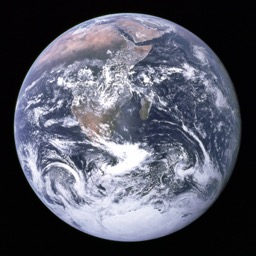
画像: NASA(パブリックドメイン)Image: NASA (public domain)

太陽からの距離DISTANCE
1.0 AU
直径DIAMETER
12,742 km
公転周期ORBIT
365.25日365.25 d
衛星MOONS
1

概要

地球は太陽系で内側から3番目をめぐる惑星で、太陽からの平均距離はおよそ1億5千万km(1天文単位)です。岩石でできた「地球型惑星」の中では最も大きく、表面に液体の水をたたえ、生命の存在が確認されている唯一の天体として知られています。

大気のおよそ78%は窒素、21%は酸素で占められ、この酸素に富んだ大気は生命活動の産物でもあります。表面の約7割が海におおわれているため、宇宙から見ると青く輝いて見え、「青い惑星」とも呼ばれます。

特徴

地球は約24時間で1回自転し、太陽のまわりを約365.25日かけて1周します。自転軸が公転面に対して約23.4度かたむいているため、季節の移り変わりが生まれます。

内部は中心の鉄を主成分とする核、その外側のマントル、いちばん外側の薄い地殻という層構造になっています。地球には磁場があり、太陽から降りそそぐ高エネルギーの粒子(太陽風)から大気と生命を守るバリアの役割を果たしています。

唯一の自然衛星である月は、地球の約4分の1の直径を持つ比較的大きな衛星です。月の引力は潮の満ち引きを生み、地球の自転軸のかたむきを安定させていると考えられています。

豆知識

表面温度 — 平均はおよそ15℃。観測された範囲では、もっとも低い場所で約-89℃、もっとも高い場所で約57℃が記録されています。液体の水が存在できるこの穏やかな温度帯が、生命をはぐくむ大きな条件のひとつです。

「ハビタブルゾーン」 — 太陽から近すぎず遠すぎず、水が液体でいられる距離の範囲を「ハビタブルゾーン(生命居住可能領域)」と呼びます。地球はちょうどその中をめぐっています。

宇宙から見た地球 — 1972年にアポロ17号の乗組員が撮影した「ザ・ブルー・マーブル」は、地球全体を写した最も有名な写真のひとつとして知られています。

Gravity Weaver での攻略

地球は太陽系ステージの3番目(9ステージ中3つ目)。太陽のかけらを引力場で導き、地球へ到達させればクリアです。

このステージから、ゆっくりとした間隔で隕石が登場しはじめます。とはいえ序盤なので余裕はあり、引力場を描いて太陽のかけらの軌道を作る基本操作を、落ち着いて練習できる場面です。隕石の動きを見てから引力場を描くくせをつけておくと、この先の星座ステージで役立ちます。

Overview

Earth is the third planet from the Sun, orbiting at an average distance of about 150 million km (one astronomical unit). It is the largest of the rocky "terrestrial" planets and the only world known to hold liquid water on its surface and to harbor life.

About 78% of its atmosphere is nitrogen and 21% is oxygen — and that oxygen-rich air is itself a product of living things. Roughly 70% of the surface is covered by oceans, which is why Earth shines blue when viewed from space, earning it the nickname "the Blue Planet."

Features

Earth rotates once roughly every 24 hours and completes one orbit of the Sun in about 365.25 days. Because its axis is tilted about 23.4 degrees relative to its orbital plane, the planet experiences seasons.

Its interior is layered: an iron-rich core at the center, a surrounding mantle, and a thin outermost crust. Earth also generates a magnetic field, which acts as a shield protecting the atmosphere and life from the high-energy particles of the solar wind.

Its only natural satellite, the Moon, is comparatively large — about a quarter of Earth's diameter. The Moon's gravity drives the ocean tides and is thought to help keep the tilt of Earth's axis stable.

Trivia

Surface temperature — The average is around 15°C. Recorded extremes range from about -89°C at the coldest to roughly 57°C at the hottest. This mild range, where liquid water can exist, is one of the key conditions that makes life possible.

The "habitable zone" — The band of distances from a star where water can stay liquid — neither too hot nor too cold — is called the habitable zone. Earth orbits comfortably within the Sun's.

Earth from space — "The Blue Marble," photographed by the crew of Apollo 17 in 1972, remains one of the most famous images ever taken of the entire planet.

In Gravity Weaver

Earth is the third stage of the solar system run (3rd of 9). Guide the Solar Shard with your gravity fields and bring it home to Earth to clear the stage.

From this stage onward, meteors begin to appear at a slow, gentle pace. Since it is still early, there is plenty of room — a calm place to practice the core skill of drawing Gravity Wells to shape the Solar Shard's path. Getting into the habit of reading a meteor's motion before drawing a field will pay off in the constellation stages ahead.

主なデータKey Data

太陽からの平均距離Mean distance from Sun1.0 AU (≈1.496×10⁸ km)
直径(赤道)Diameter (equatorial)12,756 km
公転周期Orbital period365.25 日365.25 days
自転周期Rotation period約23時間56分~23h 56m
平均表面温度Mean surface temp.約15℃~15°C
衛星の数Moons1

太陽系ステージに挑戦しようChallenge the solar system stages

PLAY NOW